IRS Refund Timeline Update: When Americans Can Expect Mid-February Deposits and How to Track Them
Millions of Americans are waiting for their IRS refunds as the tax season moves forward. With many returns filed early, mid-February has become a key period for expected deposits. Here’s a clear breakdown of when refunds may arrive and how taxpayers can track them without confusion.
When Mid-February IRS Refund Deposits Are Expected
Refunds are issued after a tax return is accepted and processed. For taxpayers who file electronically and select direct deposit, the usual processing window is up to 21 days. Returns accepted in late January and early February often fall into the mid-February deposit range, provided no additional review is required.
There is no single national payment date. Refunds are sent on a rolling basis, meaning deposit timing varies for each taxpayer based on individual filing details.
Why Some Refunds Arrive Earlier or Later
Several factors can affect refund timing. These include filing method, accuracy of the return, claimed credits, and identity verification checks. Returns that include refundable credits or income adjustments may take longer to process.
Even after a refund is released, bank processing times can delay when the money appears in an account. Weekends and federal holidays can also impact deposit timing.
How Americans Can Track Their IRS Refund
Taxpayers can check their refund status using official tools provided by the Internal Revenue Service. Refund status typically moves through three stages: return received, refund approved, and refund sent. Updates are usually posted once per day.
A status marked as “processing” means the return is still under review and does not automatically indicate a problem. No action is required unless the IRS contacts the taxpayer directly.
Direct Deposit vs. Paper Check Refunds
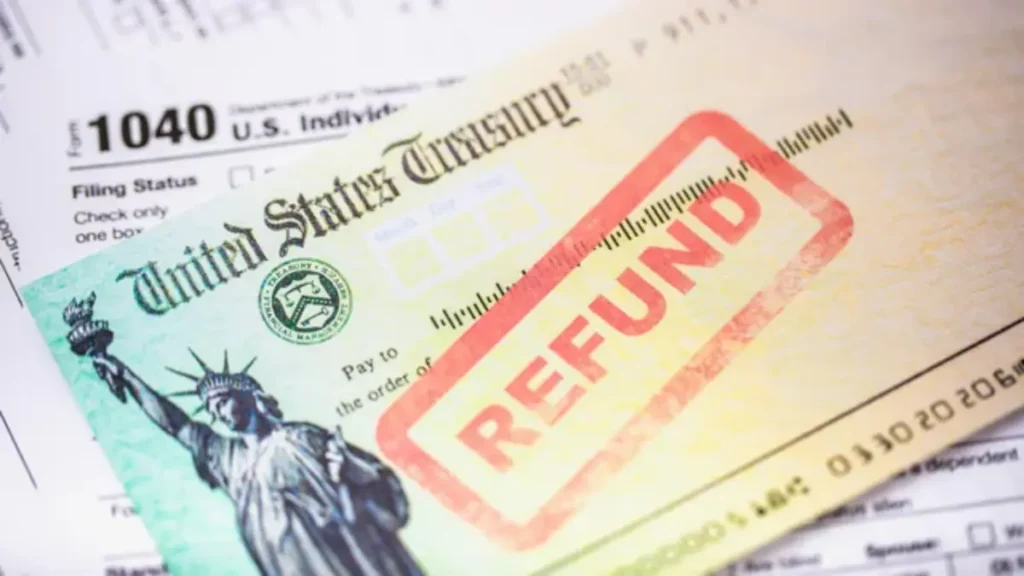
Direct deposit is the fastest and most reliable way to receive an IRS refund. Taxpayers who choose paper checks should expect longer delivery times due to mailing and handling.
Ensuring accurate banking information at the time of filing helps prevent delays or returned payments.
What to Do If Your Refund Is Delayed
If your refund has not arrived within the standard timeframe, avoid filing duplicate returns or submitting unnecessary amendments, as these steps can slow processing. If the IRS needs more information, it will notify you by mail with clear instructions.
Mid-February Refund Outlook
Most eligible Americans who file electronically and choose direct deposit can expect refunds to begin arriving by mid-February. While some returns may take longer due to additional reviews, the majority are processed within normal timelines.